
Your School Bond Passed (or Didn’t). What Should Your District Do Next?
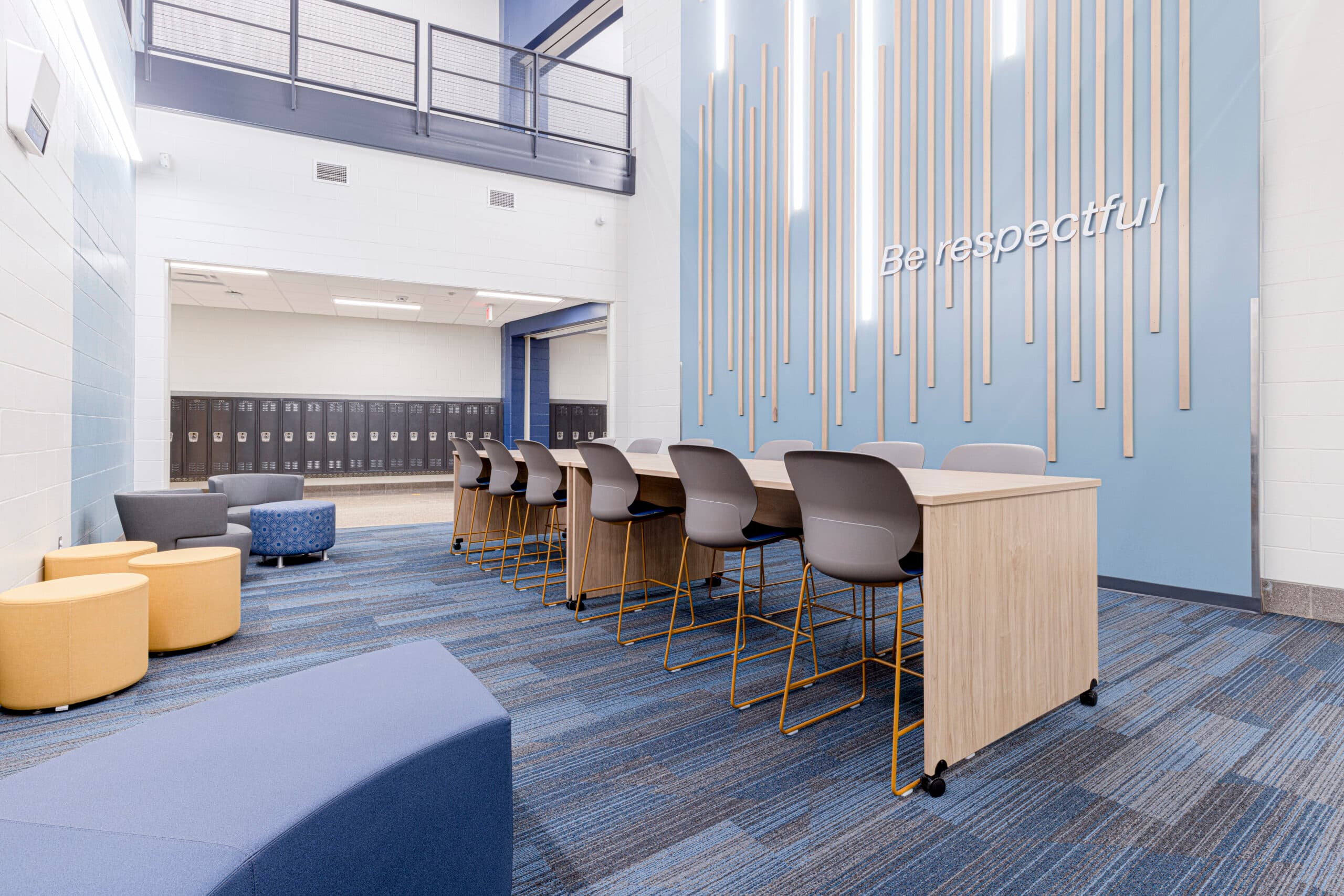
You spent months building the case. Whether your district heard yes or no, the real work started the next morning.
In May 2026, Michigan voters approved 63.8% of school bond requests on the ballot, up from 49% a year earlier. But the vote count only answers one question: do you have the funding? It doesn’t answer the one your community is asking now.
What happens next?
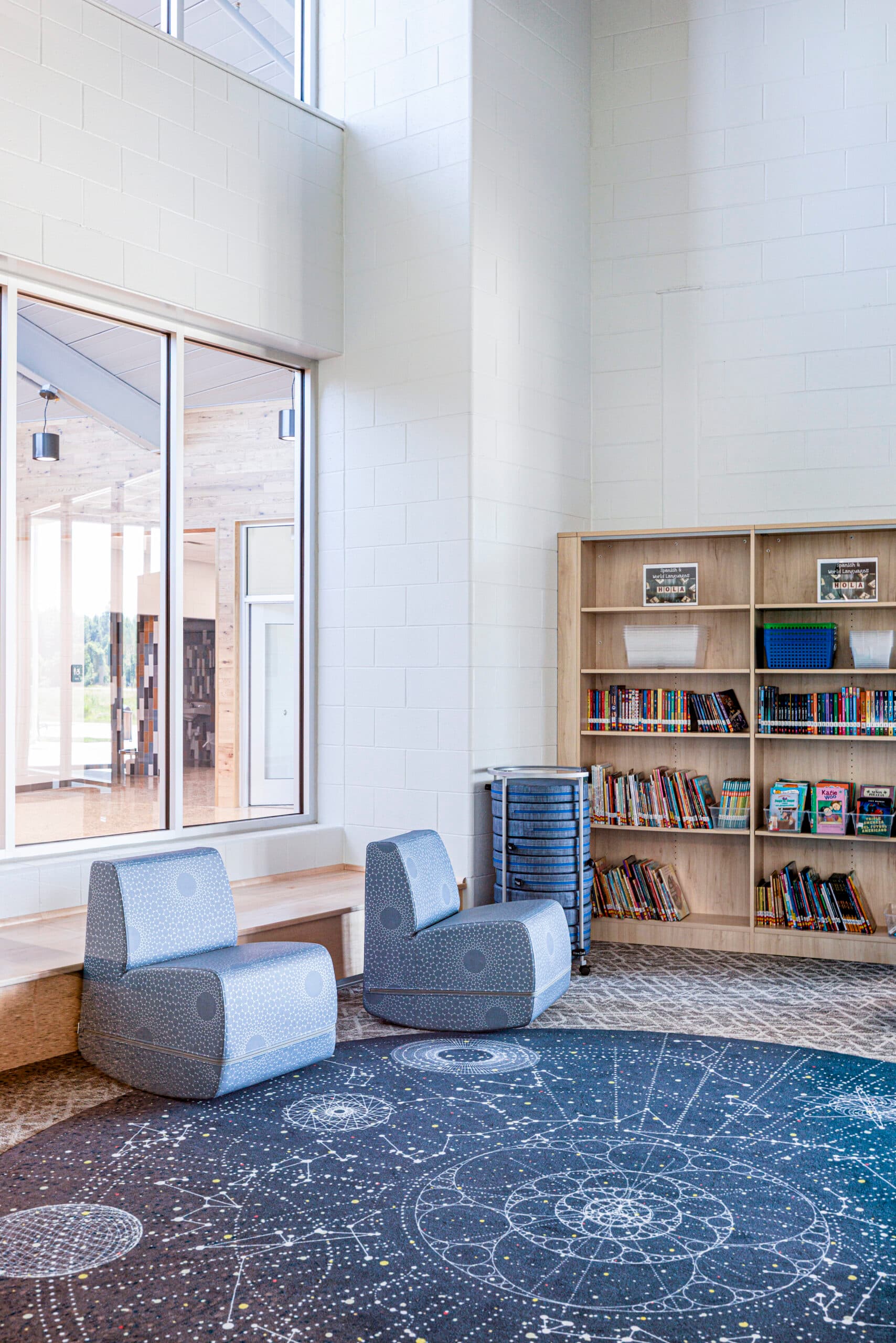
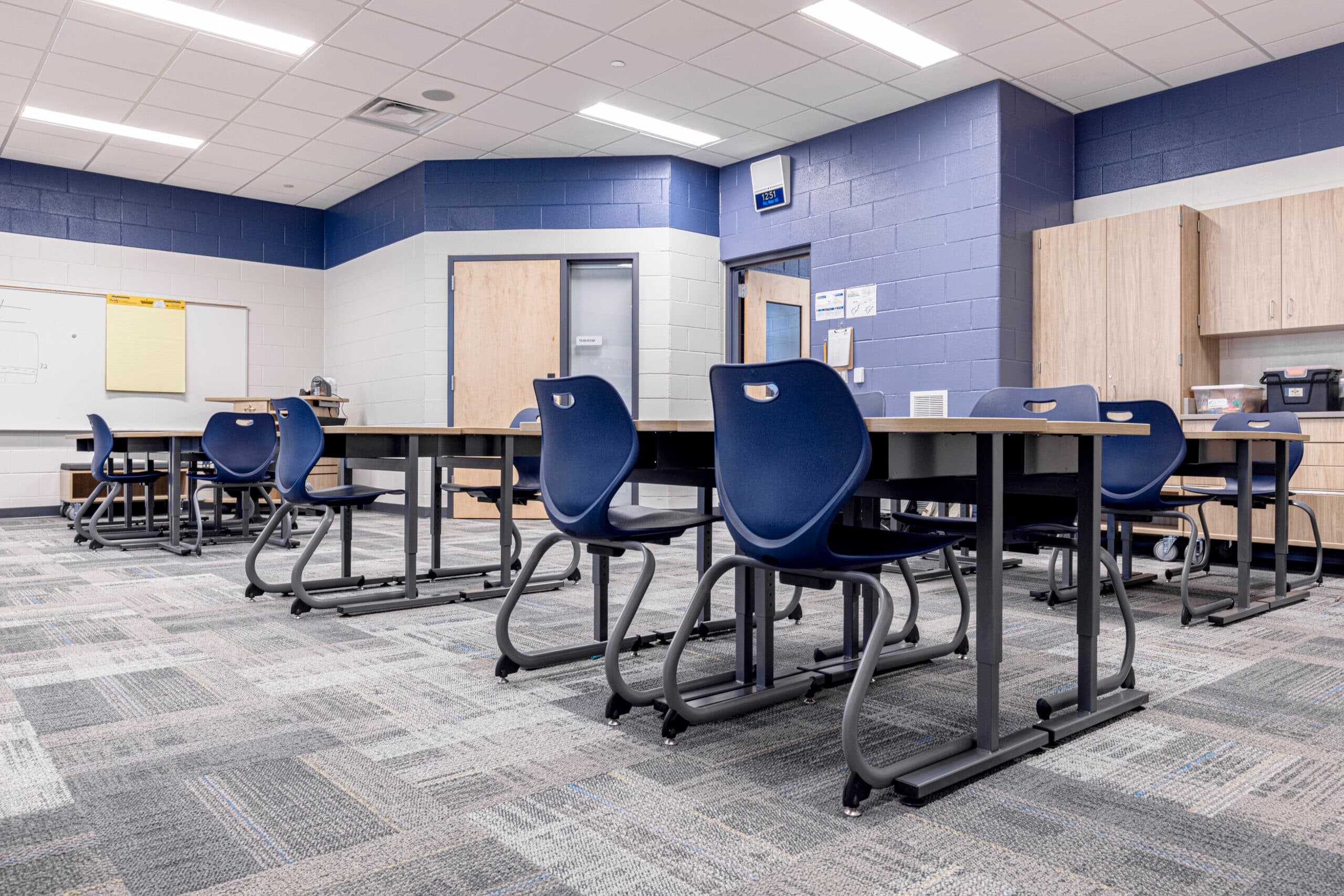
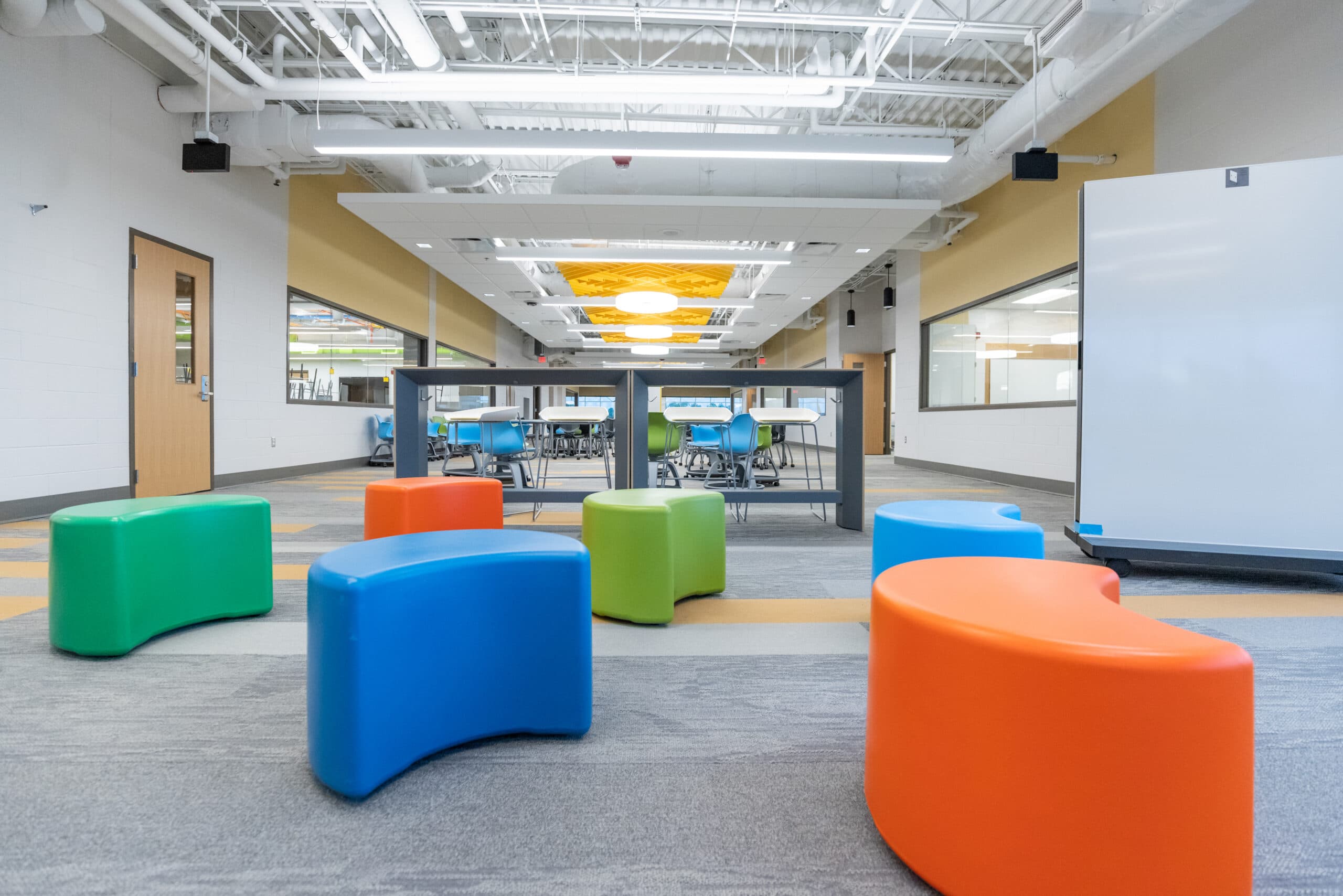
Why Election Day Isn’t the Finish Line
The districts that come out ahead aren’t always the ones that won on the first try. They’re the ones that treated the vote as a milestone. Voters who said yes are watching to see if you follow through. Voters who said no are waiting to see if anyone was listening. We partner with districts on both sides of that result, from early planning through support after installation.
Dave Driscol, VP of Education Sales at Custer, sees this play out every cycle.
What to Do After Your School Bond Passes
Congratulations. Now the clock starts.
Build around the school year. Breaks are short windows. Map every phase of furnishings, flooring, and installation to the academic calendar so classrooms are ready the day students walk in. Our education-focused project management team builds that schedule with you, so your staff isn’t carrying it alone.
Keep furnishings in step with construction. A classroom chair chosen after the schedule is set may not arrive before the first day of school. Multiply that across a building, and you’re facing delays and change orders nobody budgeted for. We work alongside your architect and construction partners from the start to set clear order-by dates, and phase deliveries to match construction.
Plan for the unexpected. We build a contingency plan into every phase, and our experienced, in-house installation team leads every project. A shipping delay shouldn’t become a delayed first day.
Show the community its investment at work. Share progress between Election Day and ribbon cutting. Before students move in, we walk every space with you to confirm it meets safety, accessibility, and instructional standards. Then celebrate. These are their schools, too.
Every step answers the question voters are quietly asking:
Did they do what they said they would?

What to Do If Your School Bond Fails
A no vote is disappointing. It isn’t final. Plenty of districts return to voters, and the ones that succeed usually changed something between ballots.
Start by understanding who said no, and why.
The parent who voted no isn’t against your schools. They may never have seen the classroom you’re trying to replace.
The longtime resident on a fixed income isn’t against kids. They needed to see exactly what their money would buy.
These aren’t opponents. They’re people who didn’t get enough to say yes.
Then let us rebuild the case, together. Here’s how we partner with districts between ballots:
- Right-size the scope with a furnishings assessment. We walk your buildings, often alongside your architect, to document what can stay, what can be redeployed, and what has reached the end of its life. Paired with enrollment and utilization data, your board gets a scope built on evidence, not a wish list.
- Put real numbers behind the ask. Our budget tools show the community what each dollar buys. Because we have strong partnerships with multiple manufacturers, we can compare options on durability and lifecycle value, so your board can show residents the tradeoffs it weighed.
- Let your community shape the vision. We facilitate focus groups with administrators, faculty, and students to learn how spaces are actually used. When a teacher can say “I helped plan this,” the proposal becomes the community’s, not just the district’s.
- Show them what they’re voting for. Renderings turn a line item into a picture for board presentations, community forums, and informational materials, so residents who have never walked your halls can see the difference.
- Bring skeptics along for the visit. Manufacturer tours let board members, staff, and committee members test the products and ask hard questions. People who have tried it themselves become credible voices in their own circles.
- Put it in a real classroom. Through our free loaner and pilot programs, we can outfit a space before the next election. Host an open house and let teachers share what changed. Nothing answers “is it worth it?” like a room people can walk into.
Because voters bring one question to a second ballot:
Did anyone hear us?
School Bond FAQs
What happens after a school bond passes?
After a school bond passes, the district confirms scope and budget, schedules work around the academic calendar, and moves into design, ordering, and installation, sharing progress with voters along the way.
What happens if a school bond fails?
If a school bond fails, the district gathers community feedback, revisits scope and cost, and often returns to the ballot with a revised proposal, sometimes within six months.
How do pilot classrooms help win bond support?
Pilot classrooms let students and teachers test new furnishings and layouts before a district commits at scale, and give voters a space they can experience firsthand.
When should a school district bring in a furnishings partner?
As early as possible, ideally during bond planning, to align furnishings with construction, build realistic budgets, and create visuals that help voters understand the plan.